Brazil’s National Association of Games and Lotteries (ANJL) says a police operation that froze just over R$3.4bn linked to illegal betting sites is fresh evidence of how large the country’s clandestine betting market has become.
What the operation found
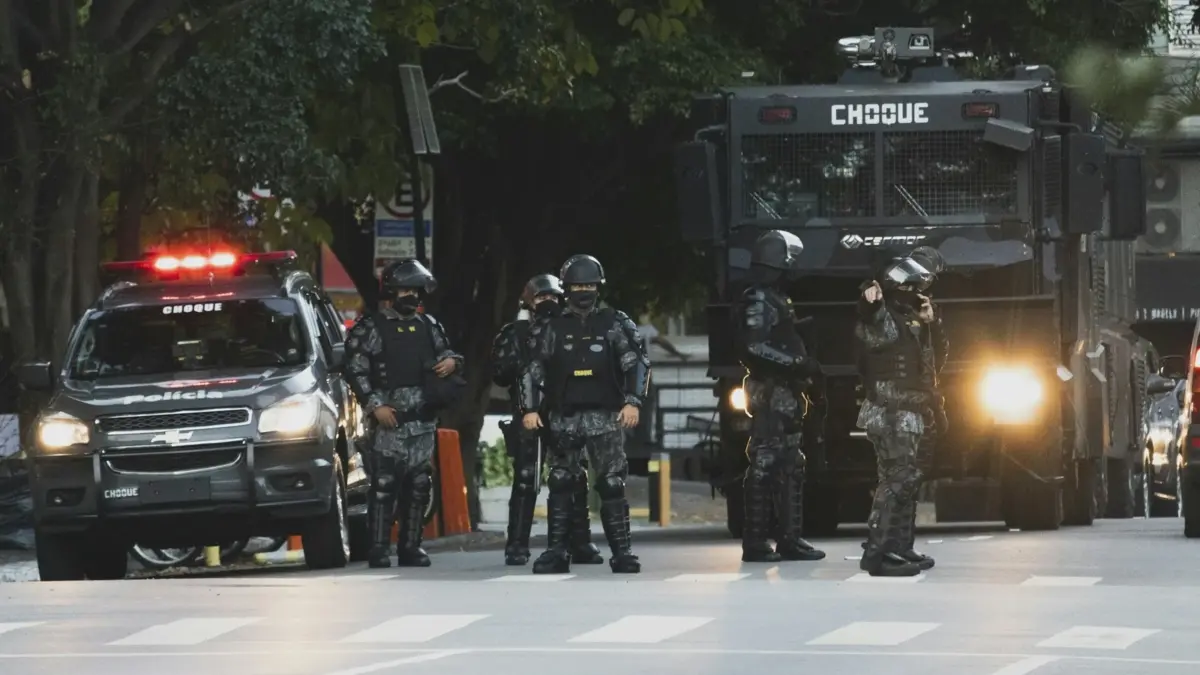
Operação Azzardo was launched on Thursday 5 November by the Federal District Civil Police (PCDF). According to ANJL, it followed reports sent to the police about five months ago by the Secretariat of Prizes and Bets (SPA), the Finance Ministry body that oversees betting.
Investigators uncovered a network that used a number of shell companies to receive Pix payments from people who had been drawn in by unlicensed sites. A fintech is alleged to have moved around R$1bn for the group on its own. ANJL congratulated the SPA for passing on the data that made the operation possible.
A warning about the ban
Brazil’s licensed fixed-odds betting market was banned in September by a provisional measure. ANJL expects networks like the one targeted by Operação Azzardo to expand in the coming months as players who used authorised sites move elsewhere.
ANJL President Plínio Lemos Jorge said (translated from Portuguese):
“Money laundering and criminal association are among the main activities of illegal operators. Because the State has little control over these transactions, these companies are fertile ground for crime, at the expense of millions of bettors.”
“There is no protection at all for bettors or for civil society as a whole through this ban. That has already been shown by data and by the facts we have been following. The scheme targeted by today’s operation is just the tip of the iceberg of what we will see in Brazil if illegal betting sites remain dominant.”
60,000 illegal sites identified
ANJL’s Legitbet platform, which monitors the illegal market, has identified more than 60,000 illegal betting sites in Brazil since it began tracking them. About 35,000 are currently active and accessible.
The argument mirrors the case the Brazilian Responsible Gaming Institute made at the Supreme Court; see IBJR tells Brazil’s Supreme Court that prohibition is not protection.