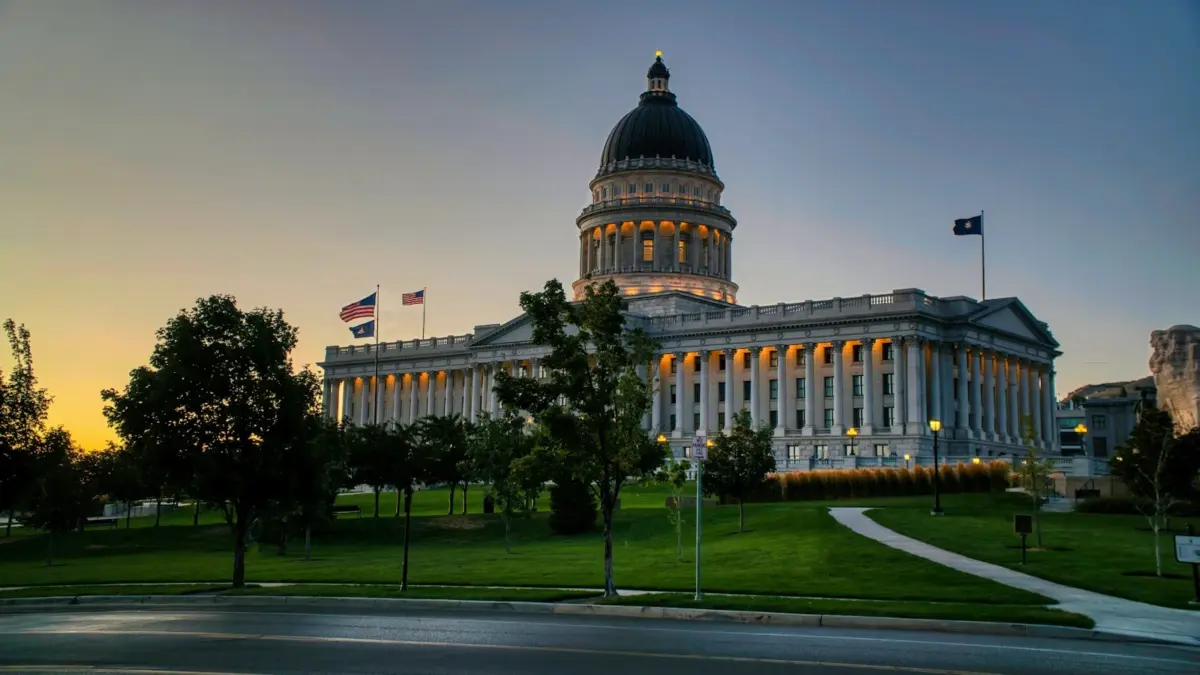
Prediction markets have suffered two setbacks at state level in the past week. A federal judge in California has barred Kalshi from offering sports contracts on the lands of two tribes, and four operators have pulled sports and other event contracts in Utah after the state brought criminal charges against Kalshi.
California tribes win injunction
In Blue Lake Rancheria v. Kalshi Inc., Judge Jacqueline Scott Corley of the US District Court for the Northern District of California signed an order on 4 November barring Kalshi Inc. and KalshiEX from offering “any sports contracts” on the Indian lands of Blue Lake Rancheria and Chicken Ranch Rancheria of Me-Wuk Indians.
- The order covers sports including football, basketball, baseball, soccer, golf, tennis, hockey, motorsports, boxing, UFC and esports.
- The tribes must supply boundary maps by 13 November, and Kalshi must file a compliance report within 21 days.
- Corley had refused an injunction in November 2025. In September the Ninth Circuit found the tribes were likely to succeed under the Indian Gaming Regulatory Act and held that the contracts are Class III gaming.
Kalshi had not commented publicly on the ruling at the time of writing.
Operators pull back in Utah
On 28 October, Utah filed 14 criminal charges against Kalshi and its co-founders, Tarek Mansour and Luana Lopes Lara, who are due to appear in the 3rd District Court in Salt Lake City in December. The CFTC had sued Utah the day before to block enforcement against Kalshi, which called the charges “a crazy overreach”.
- DraftKings Predictions withdrew sports contracts on 28 October, keeping financial and economic contracts.
- FanDuel Predicts followed on 30 October, also keeping financial and economic contracts.
- Robinhood has restricted new positions on sports, culture, election and political contracts for Utah customers since 2 November.
- Fanatics Markets stopped trading in the state on 4 November.
Utah Attorney General Derek Brown said:
“Utah law is clear: gambling is illegal in our state.”
“I appreciate these companies being responsive to our efforts.”
“We will continue to enforce Utah law against any company that brings gambling into Utah.”
Robinhood has not conceded the legal point. A spokesperson said “While we do not believe these contracts violate any state laws,” before outlining the restrictions it has applied in Utah.
 RelatedNebraska voters reject online sports betting despite $22.5m campaign
Collision with the CFTC
Both moves land days after the CFTC issued guidance on 5 November telling designated contract markets to “cease domestic geographic restrictions that violate the Impartial Access Requirements within 30 days”, or explain why they cannot. Gamblita covered the CFTC’s geo-blocking guidance last week. CFTC Chairman Michael S. Selig said:
“Geographic access restrictions are inconsistent with those purposes and the Act’s impartial access requirements.”
The deadline falls around 5 December, leaving operators to choose between federal guidance and state or tribal enforcement. Kalshi has also lost a bid for protection at the Second Circuit in New York and Connecticut.
Sources: The Salt Lake Tribune, KPCW, The Block.